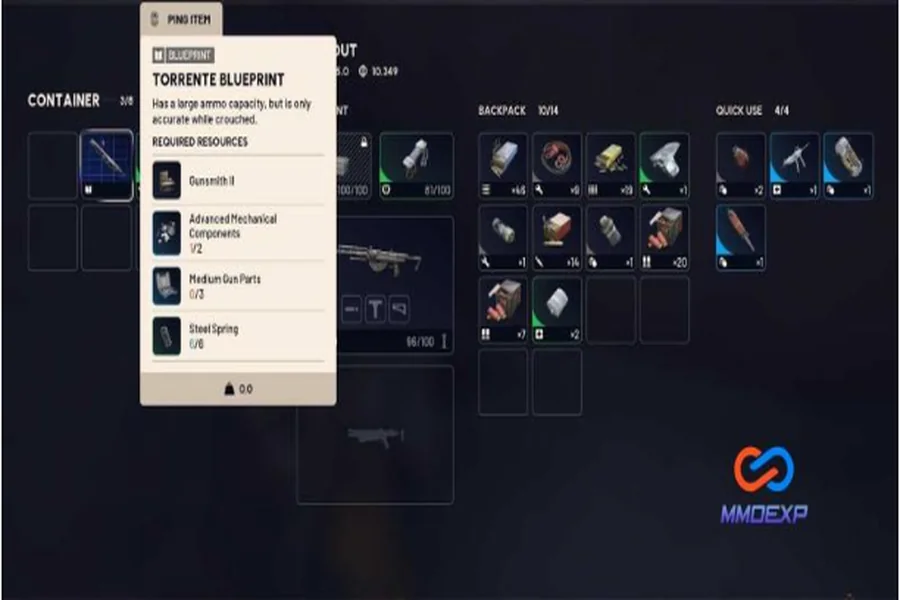
In Arc Raiders, blueprints are one of the most important progression systems in the game. They unlock weapons, grenades, augments, attachments, and utility items that can significantly improve your effectiveness in raids. The problem is that blueprint farming can feel completely random. One player might grind ten raids without finding what they want, while someone else pulls a top-tier weapon blueprint in their very first run.
Technically, any loot container in the game can drop an Arc Raiders blueprint. That’s the baseline rule. Every crate, drawer, ammo box, and stash has a chance. However, based on player experience and repeated farming patterns, certain container types appear to have higher odds for specific blueprint categories. While there’s no publicly available drop-rate data to confirm exact percentages, consistent trends have emerged.
First, complete your quests. Several blueprints are guaranteed rewards through the main questline. The 13th quest, “Sparks Fly,” rewards the Trigger Grenade blueprint. The 14th quest, “Greasing Her Palms,” gives the LUR Grenade blueprint. Later on, the 32nd quest, “Industrial Espionage,” rewards the Berleta blueprint. Finally, the 37th quest, “The Major’s Foot Locker,” grants the Hullcracker blueprint along with its ammunition blueprint. If you have not progressed that far, these quests should be your priority since they remove RNG from the equation.
Outside of quests, container targeting becomes important.
Blackbox containers on Blue Gate maps appear to have a higher chance of dropping augment blueprints. If augments are your focus, routing specifically toward blackbox spawns is a smart move.
Air supply drops, and probes have been strong sources for light, medium, and heavy weapon part blueprints. Some players report finding similar drops inside security breach rooms, but air drops and probes remain consistent performers.
Raider caches are absolutely worth contesting. When you hear the ticking sound, track it down. These caches tend to have a strong blueprint loot pool and are frequently overlooked by players who avoid PvP-heavy areas.
Metal ammo boxes seem particularly effective for weapon blueprints such as the Anvil and the Osprey sniper rifle. If you’re specifically hunting firearm schematics, adjust your route to prioritize ammo box-heavy locations.
Residential containers—drawers, fridges, suitcases, and even trash bins—are surprisingly valuable. These containers have shown better results for Wolfpack blueprints, snap hook blueprints, and weapon attachment blueprints, like silencers and extended magazines. If your focus is on attachments or mobility tools, residential looting can be very efficient.
Weapon cases are high-tier containers with a broad blueprint pool. They have been especially strong for Osprey and Terrene blueprints. Because of their overall quality loot table, weapon cases should always be prioritized when found.
Red lockers are another standout. They do not seem tied to one specific blueprint category, but they have an unusually large and diverse blueprint pool. From weapons to attachments, red lockers consistently produce high-value results.
Rusty breach-required boxes—despite being annoying to open—have proven useful for grenade blueprints. If you are farming throwable unlocks, do not ignore them.
There are also two legendary weapon blueprints: Jupiter and Equalizer. These appear to be exclusive to the Harvester event. The event includes a small objective-based sequence that can take around ten minutes to complete, but the rewards justify the time investment. If you are targeting legendary-tier weapons, participating in Harvester events is essential.
Night raids offer another major advantage. Playing nighttime versions of maps increases high-rarity loot chance by up to 150%. This applies to blueprint drops as well. Night raids are more dangerous, but if your goal is maximizing blueprint efficiency, the increased rarity modifier makes them worth running.
Across all maps, the containers that consistently show strong blueprint performance include weapon cases, med crates, ammo crates, utility crates, raider caches, and security lockers. Keep in mind that security lockers require unlocking the appropriate skill in your tree before you can access them.
Higher-tier containers are often located in keycard rooms or breach-only areas. These rooms have fixed spawn points but only appear with a percentage chance in each raid. As a general rule, the harder it is to access a room, the better the loot inside. Investing in breach tools and keycards will significantly improve your blueprint farming efficiency.
Another overlooked source is the Surveyor enemy—the large rolling ball that attempts to flee when spotted. Usually, only one spawns per raid, and it has a relatively strong blueprint drop chance. If you see it, chase it down immediately.
Once you reach level 15, Trials unlock. Achieving three stars on a Trial objective grants three separate rewards, and blueprints frequently appear among them. For players with limited time, focusing on weekly Trials can be a structured and reliable way to accumulate schematics.
Finally, duplicate blueprints are not useless. They can be brought into raids and used as barter tools with other players. Offering a duplicate blueprint in exchange for assistance—such as help extracting from a night raid or clearing a contested area—can be surprisingly effective. It’s transactional, but in an extraction shooter, leverage matters.
In the end, blueprint farming in Arc Raiders is partly luck, but it is not entirely random chaos. You can improve your odds by completing guaranteed quest rewards, running night raids, targeting high-value container types, clearing Harvester events, chasing the Surveyor, and maximizing Trial completions. The more efficiently you route and the more high-tier containers you open per raid, the more you tilt the probability in your favor.
Thank you for checking out this article! MMOexp will continue to bring Arc Raiders content and guides, also can on buying Arc Raiders coins here.