
Introduction
The 50s were a momentous decade when it came to mens' style. Following the war years of utilitarian attire, a widespread new range of freedom became available in menswear, participants enjoying unconstrained and youthful styles off-duty, and stylish apparel to suit the occasion on the job. From the custom-made suits to the shined up shoes, leather biker jackets, and worn denim jeans, 50s men's fashion had a certain class and rebel to its style.
The ten year period is also characterized as being minimalist, organised, deliberately groomed hair and appearance. There was definitely not a 50s style, however. Everybody, from businessmen to college students, teens, workmen and actors in the film industry contributed to the fashion of men's clothing. Others wore more conservative suits and ties and others the more rebellious style of jeans, t-shirts, motorcycle jackets and extreme hairstyles.
Now, though, so many of these classic items are still in vogue today. Truthfully, some vintage fashion appeared to have its inspiration from the decade as a lot of people saw this kind of clothing as being easy to identify, easy to work with, and undying. It's simpler to ideal a retro outfit without having it look like a costume by getting accustomed with the key tendencies of the epoch.
Men's Fashion in the 1950s
Garden hose pants, bar breaks on shorts and suspenders were characteristic to men's fashion in the 1950s.
Men's fashion during the 1950s focused primarily in getting a nice and manly appearance. It was crucial to tailor, particularly for the professional and formal occasions. Jackets were often voluminous in size and in many cases had clearly stretched waists and clearly defined shapes, offering a good outline to the body.
Oh, there was a lot of wearing to work because of, well, a lot of life was sort of like that a suit on the working man's body. A typical suit features a single-breast or double-breast Jacket, dress shirt, matching trousers, leather dress shoes and a tie. Some wore conservative gray, navy, brown and charcoal, stripes and checks were used as well.
In the office more loose fitting garb was worn. Meanwhile, button-downs, knit shirt, polo shirt, chinos, sweater and casual trousers were acceptable alternatives to the dress shirt and trousers. But young men were to play a key role in turning casualwards on its head.
This other characteristic was using good grooming. Hair was perfectly coifed, frequently using pomade or other products. Sidesh-part, swept back hair, pompadours and short sides were in vogue. Indeed, old fashioned facial hair styles, as are now, were not as widely used as they are these days, particularly for males.
What came next was the decade in which appearance was a requirement – even with totes day.
Popular Men Outfits & Clothing in the 1950's
The easiest way to find out the time is to take a look at the dress and attire of men.
The classic suit is one of the enduring icons of the 1950s, a symbol which lingers even into this day. The correct fitting jacket would naturally be accompanied by a matching pair of trousers, clean shirt and subdued tie. But a detail desegnification to the outfit were pocket squares, simple leather belts.
A shirt was worn snug to the waist with a high waist trousers for a more casual style. Pleated pants were particularly useful in creating the “fuller” silhouette of the time. This could be paired with a belt or suspenders.
In addition to this, casual shirts were a major component in the outfit. Though it had an interesting twist in the short sleeve button down shirts, bowling shirts, Hawaiian inspired button downs and polos. They looked particularly well in cuffed trousers or any kind of trousers made of casual cotton.
Then there were "jeans". In the 1950s, denim became associated with the youth culture and was previously a very working class attire. Combining a skin-tight leg pants and a stretchy white t-shirt was a key outfit. The working class/rebellious look was enhanced by jeans with cuffs and sturdy boots or sneakers.
Cardigans and sweaters were good for cooler days. Crewneck sweaters sometimes paired over a collared shirt could be worn either with or without a cardigan for a more traditional look. Jackets with letters or varsity style letters also were linked to American youth culture.
These outfits' beauty lies with their simplicity. It doesn't take a lot of vintage items to create the look. Select a few well-chosen items of clothing to make the familiar '50s wardrobe.
The Rebel look had evolved.The Rebel look was born.
Perhaps what is most important about 50's Fashion for Men is that this fashion didn't conform to traditional grownup wear. Teenagers were starting to be a very important target group and popular entertainment made new icons out of stars.
This leather motorcycle jacket eventually came to be a symbol of rebellion. The basic outfit of the jacket, usually worn with a simple T-shirt, jeans and boots, suited much better to the more rugged and durable image of the jacket compared to the more traditional outfit of the office pro.
The denim was welcomed into a new frame of reference in culture as well. Jeans achieved the status of more than just good root clothing and eventually became the emblem of youth, independence, the biker, and the rock'n'roll/rebellious vibe of Hollywood.
Another huge element was plain white tee-shirts. They had a tremendous cultural significance as well, due to the character of revolutionaries such as the Kanes, and were extremely useful due to their simplicity. Birthed with a pair of jeans, they made a bold and masculine silhouette with no frills.
As individual items of clothing go, these also fluctuated depending on occasion. Loafers and saddle shoes, shiny dress shoes, and leather boots were all given a home. Men wore leather shoes which were common among the men of business and sturdy shoes or boots were popular among young men.
This ‘rebellious side of the decade’ has yet to go over to modern menswear. A T-shirt, leather jacket and boots are among the easiest retro items to recreate (aside from the jeans).
Maintaining Hair Styles, Accessories and Grooming
It was more than just the '50s style of clothing. Hair and grooming became integral components of an outfit, and it was very important.
The pompadour hairstyle became one of the most recognizable hairstyles of the time. The hair was partied back to give front hair volume. Another very popular type of grease was of the slicked back/day with plenty of pomade.
Another great option was side part, particularly for the lads in professional or conservative attire. It gave a neat, tidy look which complemented suits and dress shirts.
It was also popular to have shorter haircuts. Men that prefer more traditional styles can wear their hair short and neat instead of joined in the “shocker” hairstyle in the pompadour.
Accessories tended to be simple and practical. Accessories such as a pocket square, cufflinks, suspenders or even a sun glass could be included in the outfit. Hats also were used extensively in the early part of the decade, although their usage declined with the decades.
Well executed ‘vintage' make-up is well used as well. Don't be put off by think pieces purchased years ago and loaded onto your 8-track or 12-inch Sony Walkman—often a contemporary wardrobe and period haircut are more effective to convey the time period than a ton of vintage trappings.
1950's Fashion of our Time
Vintage doesn't necessarily mean that a whole outfit goes from head to foot. In fact, a few vintage touches with the basic principles will create a more organic appearance.
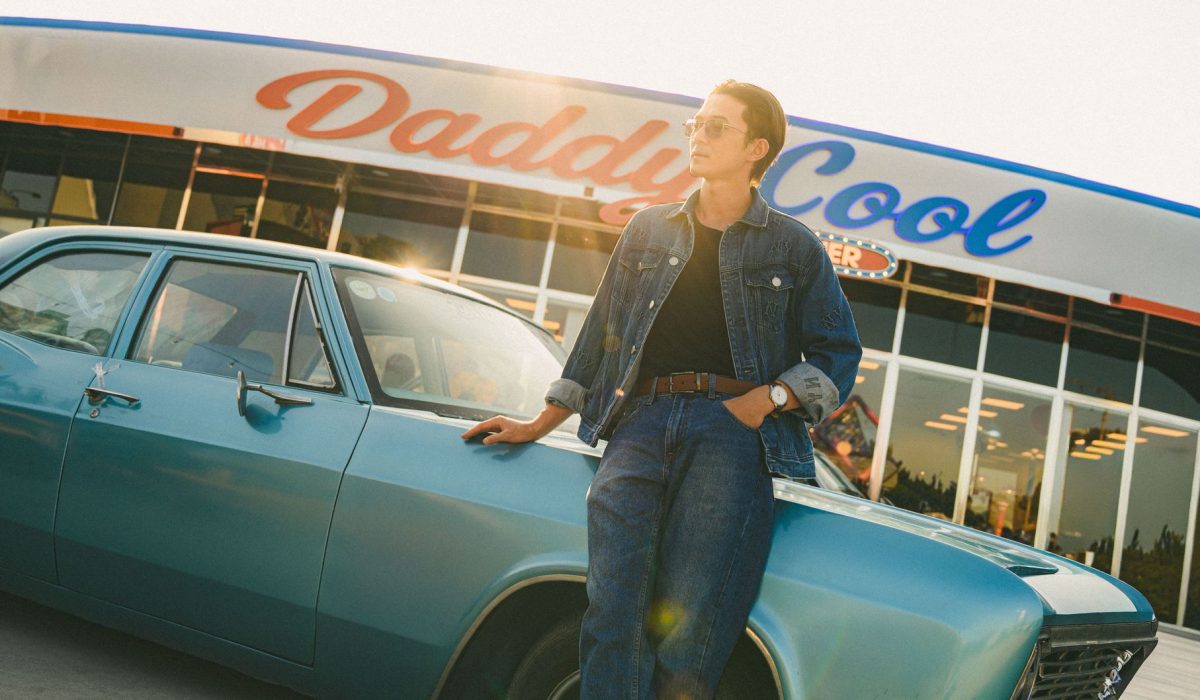
For casual attire, a white T-shirt, straight leg dark denim and a leather jacket are great to wear. Additional vintage notes can be added by adding boots or just leather boots. It is possible to cuff the jeans somewhat, giving them a more period look.
Choose high cut or fitting hung up shorts, leather mule discoveries and an appropriate button down shirt with a taped in section for a more decently-groomed appearance. Either a belt or perhaps an vintage watch can certainly add character — but not drama.
To assemble a structured suit, dress shirt, tie and so on, and form a 1960s vintage job attire. Don't be tempted to get a modern cut suit that is too big, be sure to get a jacket that has a well-defined shoulder and traditional dimensions. Accessories should not be too over the top.
Having colors can help as well. Neutral navy, gray, cream, browns, olives and burgundies add a nice complement to the vintage menswear — low – tone blues included. Simple plaids, stripes and checks can add interest.
Especially fit is an important aspect. Lots of the cuts and proportions that are utilized in contemporary fashion aren't like the ones that were utilized in the middle of the 20th century, so obtaining the proper proportions is essential. Don't go overboard every time or overdo things. Kids make-up better fruit the cleaner and tidier it is.
Above all, choose the clothing that best fits your lifestyle. In the spirit of the decade, but not going so far as to get it down to a T.
Final Thought
The vibe of the fashion 1950s of these men is still very common in the world of fashion today, because they succeeded in balancing sophistication, utility and young self-confidence. But from the crisp suits to the jeans and leather jackets, old fashioned knit wear and casual shirts the decade had it all.
One of its strongest features, its versatility. A businessman might wear a neat suit whereas a teenager might wear a leather jacket, a T-shirt and jeans. The contrary fashions helped to make this decade one of the most recognizable periods especially when it involves mens' outfits.
The '50s are a great time for vintage clothes. It's not about copying out each specific detail but more about the elements that characterized that time period: Structural suits, classic fabrics, substantial silhouettes, simple models, chic shoes, and unapologetic do's.
Whether it's creating a classic fashion closet, putting out an event for the fashionable over-50s or adding vintage accent to everyday kinds, the 1950s menswear has plenty of classic concepts.
The style of the period has no dearth of ideas that can inspire you to create a retro wardrobe, dress up for certain themes or even integrate vintage elements into your everyday looks.
FAQs
What did men commonly wear in the 1950s?
Men commonly wore suits, dress shirts, ties, tailored trousers, sweaters, button-down shirts, loafers, and leather shoes. Younger men increasingly adopted jeans, T-shirts, leather jackets, and casual footwear.
What were popular 1950s men’s hairstyles?
Popular hairstyles included the side part, slicked-back hair, pompadour, and shorter neatly trimmed cuts. Greaser-inspired styles became particularly recognizable among younger men.
Were jeans popular in the 1950s?
Yes. Jeans became increasingly popular among young men during the decade. They were strongly associated with youth culture, workwear, rebellion, motorcycles, and popular entertainment.
What shoes did men wear in the 1950s?
Common choices included leather dress shoes, loafers, boots, saddle shoes, and other polished casual footwear. The appropriate choice depended on the occasion and personal style.
How can I create a 1950s-inspired outfit today?
Start with classic pieces such as straight-leg jeans, a plain T-shirt, a leather jacket, tailored trousers, a button-down shirt, or a structured suit. Add vintage-inspired shoes and grooming for a stronger retro effect.
What colors were popular in 1950s men’s clothing?
Navy, gray, brown, cream, black, olive, burgundy, and various muted or pastel shades were common. Patterns such as checks, stripes, and plaids also appeared in suits and casual clothing.