
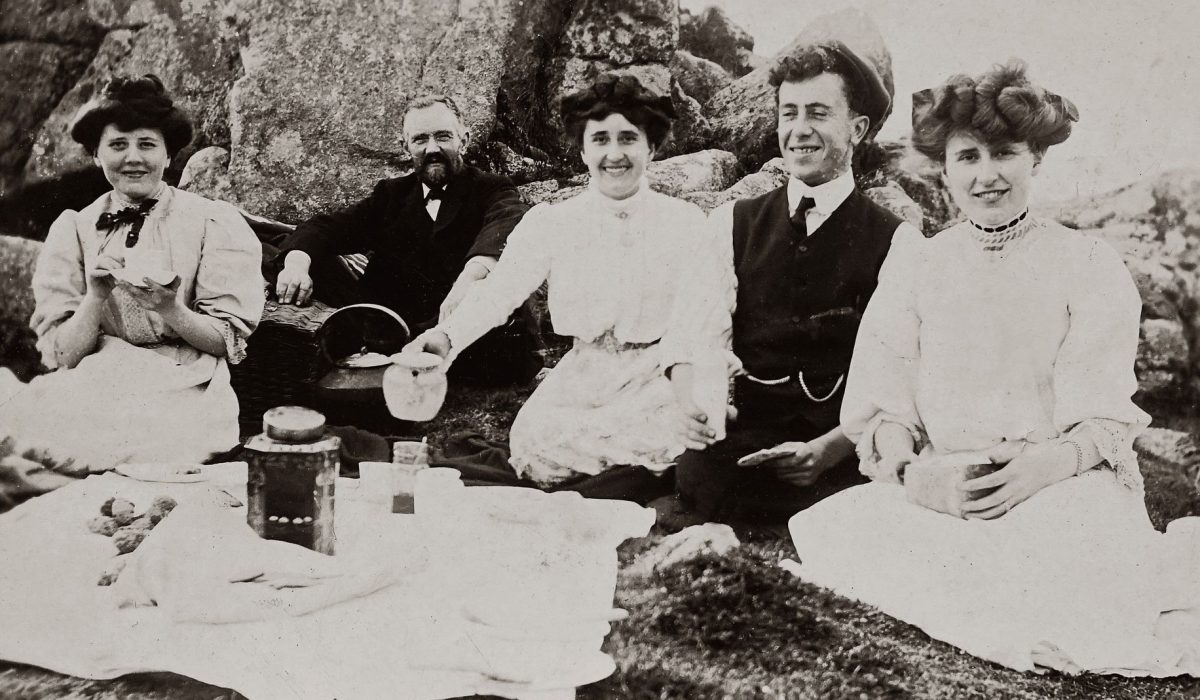
Introduction
Fashion of the 1910's was an interesting time of transition. 1910s Women's Fashion: Iconic Styles, Trends and Outfit Ideas brings together the elegant 1910s fashion, useful garments and specific details that influenced the clothing of girls which ended up in the 1910s decade of the century. The Edwardian influence was still dominant in the early 20th century and, after the First World War, the years of streamlined 'utilitarian' designs that ensued were still to come.
While clothing for women during this time was frequently well designed, it was not totally stiff. Long skirts, high waisted dresses, tight fitting jackets, blouses and fancy hats were in vogue. Meanwhile, however, the "new" and the different social functions and war time had taken their toll on women's clothing.
The result was another 10 years of pretty contrasts. Formal wore was still elegant and ornate, but popular wear was now becoming increasingly comfortable and practical. Even today, the era is viewed as an inspiration for vintage fashion, costume ideas for different occasions and modern fashion with romantic touches.
What were the Characteristics of Women's Fashion in 1910s
The 1910s was a period of change from one fashion world to another. In the early days of the decade women's dresses were still much influenced by Edwardian styles. Dresses featured long skirts, contour bodies, accents and patterns. Later throughout the year, fashion was more easy.
One of the larger changes was the change to the much looser figure of the 1820s and 1830s, coming from the highly constricting figure of the previous decades. The lines of the fashionable silhouette lengthened and relaxed. Generally, dresses featured a high waistline, especially in the early years of the decade, which gave the dress a graceful line instead of the waist line of Victorian fashion.
The long skirt worn by most women was the norm. Skirts tended to be ankle- or calf-length for day wear; evening skirts might be longer or more elaborate. Movement was gaining more and more significance as women were looking to break out into employment, study, sport and public engagement.
Colors and fabrics were as well matched with occasion. Higher income females would be able to sport silk, satin, velvet, lace and elaborate embroidery. Wool, cotton, linen and other "common" fabrics were worn everyday.
The other trait was a love for the details. Buttons, lace collars, pleats, embroidery, decorative belts or strategic fabrics used on portions of a relatively simple dress are all possible elements of a fashion fabrics application. Then accessories were accessories must have dressed to finish any look and played an integral role in any trendy outfit.
Popular Fashion in Dresses, Skirts and Blouses
But the reason for style for women in 1910s was nothing else except the clothes, mostly the ladies dresses. A popular style for a woman's daytime dress was a high neck, long sleeves, looseish waist and long skirt. Overall, the look was simple yet classy.
Another major choice to make was which shirtwaist (blouse and skirt) dress to wear. For females, they could wear a clean and neat dress and top; the women additionally can wear an extended skirt for a practical outfit, one that might serve them well in their day-to-day lives. Lacing, pleating, embroidering, hanging buttons and very high collars were common on blouses.
In the evening dresses were far more sumptuous for formal occasions. For silk and satin gowns, embroidery, lace panels, beading and decorative sleeves are all possibilities. Others had a beautiful walking or dancing gait resembling a pattern.
Over the 10-year period skirts became more utilitarian. Early type were quite round, others were sometimes more angular. The hobble skirt of the early teens caused particular restriction and was ever so tight around the lower legs. Very striking though it wasn't always convenient for life.
For half of and at the end of the decade, fashion had to be adapted to meet the new world. Apparel was more comfortable and hand-sewn clothes more important. Jackets and suits were more functional and a way for women to look put-together.
Major outerwear in the wardrobe were other items. For cooler weather long coats, garment coats, capes and tailored wool garments were popular. These articles may be both stylish and functional.
Hats, Shoes, Hairstyles & Accessories
Women's accessories complete the ensemble of women's fashions in the 1910s. Hats were particularly important and enhanced an outfit.
In the first decade of this century 40-year-old women wore oversized hats. Styles were intended to grab attention with wide brims, embellishments like ribbons, feathers, flowers and more. In the later 1900s, hats would continue to morph in fashion and became even larger, but hats remained a crucial factor.
Generally, shoes were made to match the well made but stylish attire worn. Shoes were laced up, especially in the daytime. Low heeled shoes and pumps were also worn and evening shoes may have been even more decorative.
Another popular accessory was the wearing of gloves, especially for occasions of formality. With evening gowns, women often wore long gloves, and shorter gloves to go with their day wear. Bags were usually small and precisely in harmony with the ensemble that they accompanied.
They can be less noticeable or more noticeable statement jewelry pieces. To make the clothes a little personal brooches, necklaces, earrings, bracelets and decorative hair pieces were used on even the simplest of clothes.
Hair – was combed and typically well combed up. Many women wore their hair in hair arrangements such as shapes, rolls, buns or waves and kept them under control. To finish the look, hair ornaments and hats might be worn.
Beauty trends were in the air, as well. There was hardly any powdered make-up – it was much more discreet than it is today, but cosmetics were becoming more accessible. For social purposes, it was appreciated to have a smooth face and appearance.
Fashion Ideas for 1910s to Create a Style Look
History buffs don't have to wear a '20's hat or bow to enter the '20's timelessness. The overall style is comfortable and wearable, with many elements that can easily be translated into modern fashion.
For the daytime, skirts should be A-line with pleats and blouses should have a high neck and be simple in design to create a basic outfit. Wear those colours that are muted and are your cream, navy, brown, grey, dusty rose or deep green. For vintage style pair with a narrow belt and a pair of ankle boots as well.
For that more romantic appearance lace blouse can be worn. Dress in a long skirt, and wear simple jewellery. A long cardigan or structured jacket will help to give that 'well-dressed' 1900s feel.
A dress that is long to the floor, may have a larger neckline, long sleeves, lace design or simply an elegant flowy skirt can be used if looking to make it somewhat more formal and vintage. Fine and historic does not necessarily be fine – the satin / velvet finish can be embroidered.
A modern outfit can be enhanced with some accessories, to help make it more period appropriate. Any wide-brimmed hat, vintage handbag or gloves can be decorated with a fancy brooch with an early 20th century style.
For your costume or historical event, you can throw a long skirt or dress on your outfit, hat like those wore during that time, button your boots, wear gloves and style your hair. The key is to ‘harmony’ in the detail, which will prevent the outfit from looking too 'busy.
This was also a popular style for men and women of the period, to wear a custom made piece of clothing. So, wearing a blouse and a long skirt along with a structured jacket will convey an elegant appearance that makes for smart, 1910s-appropriate fashion.
World War 1 and It's Impact on Women's Fashions
World War 1 had a significant influence upon the 1910s. Millions of men joined the military service leaving the women to absorb new roles at jobs, factories, offices, hospitals, transportation and other activities involved in life outside the home.
Clothing needed to be more utilitarian. Working women, who were involved with strenuous labour or long hours work, did not need such an unnecessary and complicated dress or decoration.
This change didn't at all demean elegance, though it made for simpler designs. Skirts were less constricting, jackets were more functional and clothing became functional day to day.
In addition, conditions of the economy and the type of fabrics available were factors that affected fashion. Very desirous of avoiding frivolities that could not be considered a necessity during war, tried to find materials that had other uses. This allowed the decoration to be more subdued and construction simpler.
There were also shifts in thinking regarding women's clothing and the manner in which they were allowed to wear it in today's society during the war. Practical clothes became a symbol of independence, and being part of society.
Fashion was quite different by the end of the decade than it was approximately 1910. A trend had been underway towards the freer 1920's silhouette.
Final Thought
Beautiful hats and graceful diads make up only a portion of the '10s style. Reflects an era when old fashioned notions of femininity confronted a fast-changing modern world. Early fashion was a development of Edwardian ‘refinement' and clothes towards the end were more simple, functional and reflected what women's lives had become.
High neck blouses, long skirts, designer jackets and hats as well as elegant evening gowns were some of the unique fashion features of the decade. Unfortunately, it's not like you don't see that today, either, in the concept of the clothing esthetic.
The 1910s are particularly interesting for fans of historic clothing as this decade falls in between two significant fashion periods. From elaborate elegance to a decided modernity and simplicity was the difference on the decade. The outcome is 1910s style for women that, of course, is ageless, familiar, and oddly simple to the point where it's easy to embrace and bring into 2018.
FAQs
What did women typically wear in the 1910s?
Women commonly wore long dresses, blouses with ankle-length skirts, tailored jackets, coats, gloves, and hats. Clothing varied depending on social class, occupation, location, and occasion.
What were popular dresses called in the 1910s?
There was no single dress style that represented the entire decade. Shirtwaist dresses, tea dresses, evening gowns, tailored dresses, and high-waisted styles were among the notable options.
Did women wear corsets in the 1910s?
Corsets were still worn, particularly during the early part of the decade, but their construction and purpose were changing. Fashion was gradually moving toward softer and less restrictive silhouettes.
What shoes did women wear in the 1910s?
Button boots, ankle boots, pumps, and low-heeled shoes were common. Formal footwear could be more decorative, while everyday shoes emphasized practicality.
Were hats popular in the 1910s?
Yes. Hats were an important part of women’s fashion. Large decorated hats were especially noticeable in the early 1910s, while different shapes and proportions appeared later in the decade.
How did World War I change women’s fashion?
The war encouraged simpler, more practical clothing as women entered new jobs and responsibilities. Clothing became easier to move in and generally less elaborate, helping set the stage for the fashion changes of the 1920s.